
Books We Recommend
Below we provide brief summaries of some of our favorite books on nutrition.
Our first "book" recommendation is not a book at all, but rather a free website. On NutritionFacts.org you can find information about most any question related to nutrition and its effects on our health. Operating under the premise that the environment in which we live "is set up to promote pills, not produce," this "science-based nonprofit charity [is] committed to bringing the medical literature to you, breaking down the latest in evidence-based nutrition research, and presenting the results in ways that are easy to understand. [They] regularly share videos, blogs, webinars, live Q&As, guides, infographics, and more—without commercial bias, sponsors, or ads, so every one of us can make the best dietary and lifestyle choices."
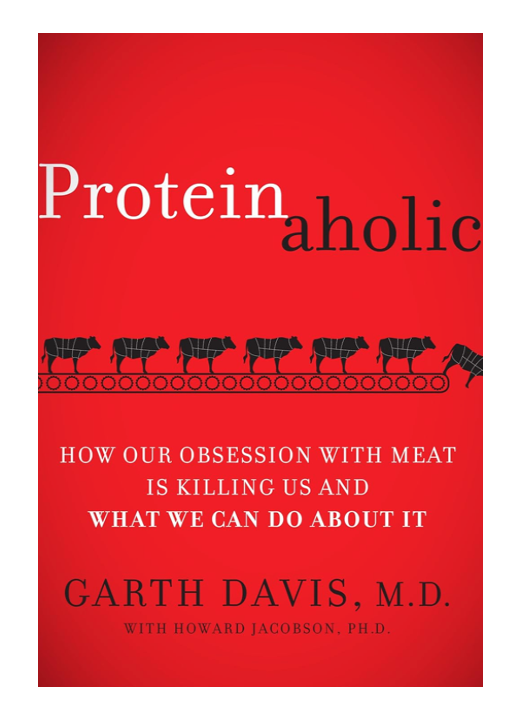
Whether you are seeing a doctor, a nutritionist, or a trainer, all of them advise eating more protein. Foods, drinks, and supplements are loaded with extra protein. In Proteinaholic, bariatric surgeon and weight loss expert Dr. Garth Davis asks, "Is all this protein making us healthier?" The answer, he emphatically argues, is no. Too much protein is actually making us sick, fat, and tired. If you are getting adequate calories in your diet, there is no such thing as protein deficiency. The healthiest countries in the world eat far less protein than we do, and yet we have an entire nation getting sicker by the day due to our obsession with protein, particularly "quality" protein from animal sources. Combining cutting-edge research with his hands-on patient experience—and his own personal health scare from eating too much animal products—this groundbreaking book reveals the truth about the dangers of protein and shares a proven approach to weight loss, health, and longevity.
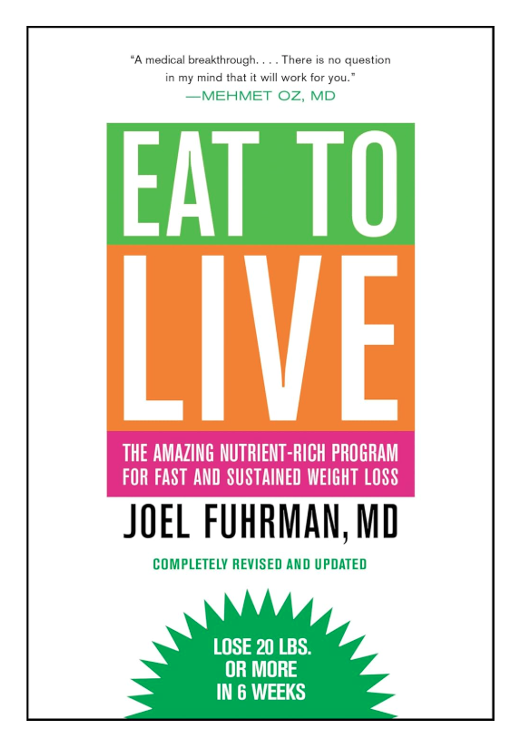
In Eat To Live, Dr. Joel Fuhrman promotes a high-nutrient diet, asserting that our health = nutrients consumed divided by the calories consumed. He explains how and why eating the wrong foods causes toxic hunger and the desire to over consume calories; whereas a diet of high micronutrient quality causes true hunger which decreases the sensations leading to food cravings and overeating behaviors. The book contains a six-week plan that instructs readers on how to leave behind the discomfort of toxic hunger, cravings, and addictions to unhealthy foods. Following this plan will be a springboard to help you live longer, reduce your need for medications, and improve your health dramatically. It is a book that will change the way you want to eat. Most importantly, if you follow the Eat To Live™ diet, you will lose weight faster than you ever thought possible.
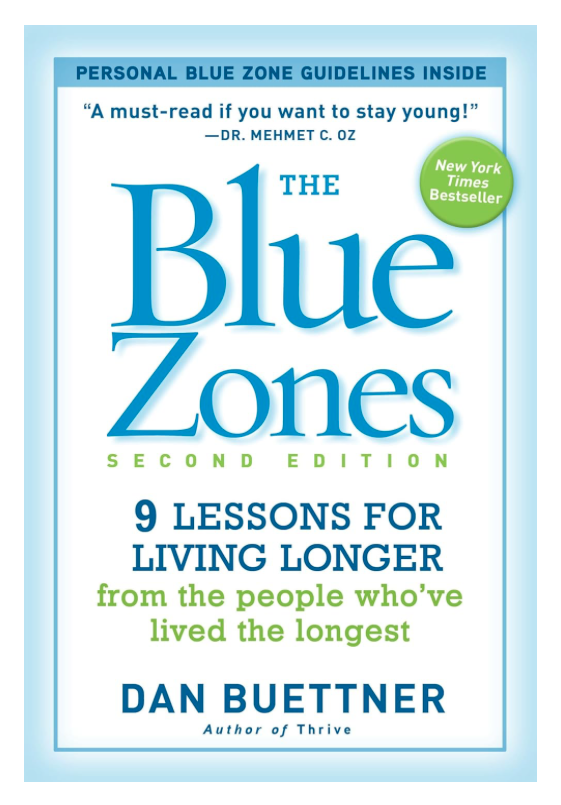
In the Second Edition of The Blue Zones: 9 Lessons for Living Longer From the People Who've Lived the Longest, longevity expert Dan Buettner completely updates and expands his bestselling classic on longevity, drawing on his research from extraordinarily long-lived communities—known as "Blue Zones"—around the globe to highlight the lifestyle, diet, outlook, and stress-coping practices that will add years to your life and life to your years. Singapore, considered a "Blue Zone 2.0," was added to this edition and is significant because it is the first city-state to receive the designation—and because the designation was, in effect, "manufactured" or "engineered" through government policies that supported healthy choices rather than arising solely from a traditional lifestyle.
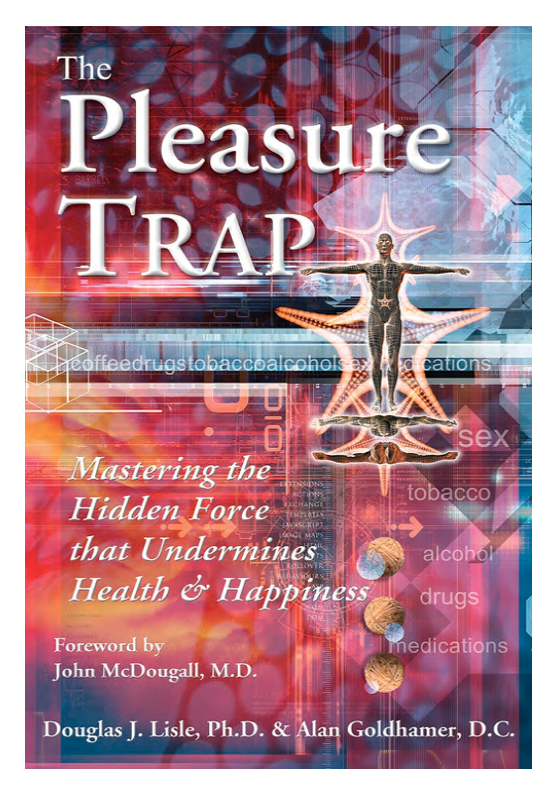
The Pleasure Trap (by Dr. Douglas Lisle and Dr. Alan Goldhamer) explains that modern health problems arise because of our ancient, survival-based brain drives. We are biologically driven to seek pleasure, avoid pain, and conserve energy. But in modern environments with abundant calorie-dense, artificial foods, these instincts lead to self-destructive behaviors that result in addiction and chronic disease. Overcoming this "pleasure trap" requires (1) understanding how we unwittingly fall into this trap and (2) recalibrating our tastebuds and pleasure receptors to enjoy the whole foods that will provide head-to-toe satisfaction, thereby unlocking the body's natural healing powers.
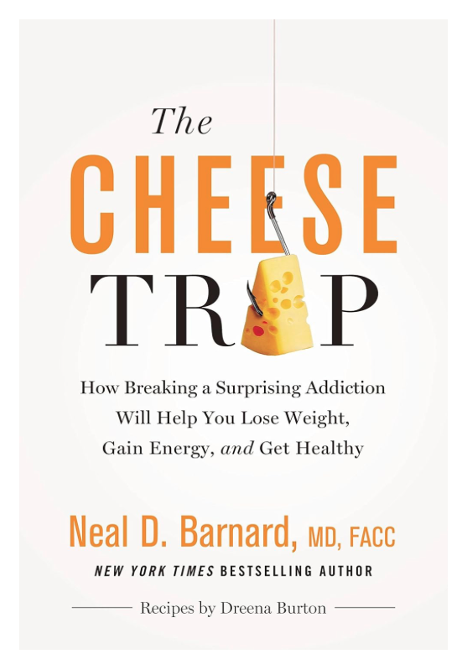
We've been told that dairy does a body good, but the truth is that cheese can be hazardous to one's health. Loaded with calories, saturated fat, cholesterol, and sodium—and lacking fiber—cheese can make you gain weight and leads to a host of health problems like high blood pressure and arthritis. Worse, it contains mild opiates that make it addictive, triggering the same brain receptors as heroin and morphine. In The Cheese Trap, Dr. Neal Barnard presents a comprehensive program to help readers break free of their cheese addiction so they can lose weight, boost energy, and improve their overall health. This easy-to-follow diet features a treasury of healthy plant-based recipes that will tame even the toughest cravings—from pizza, to lasagna, to ice cream and cheesecake.
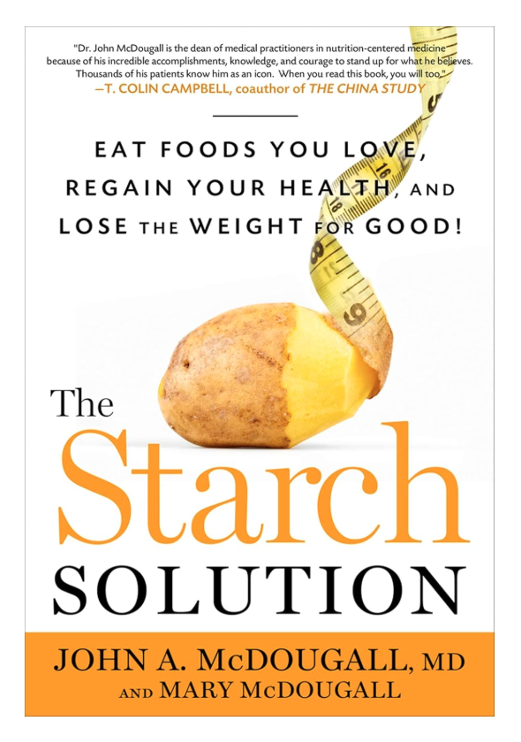
The Starch Solution, by Dr. John A. McDougall, MD, is the perfect antidote to "carbophobia," the fear that has taken over the culture for the past few decades, where even the mere mention of a starch-heavy food is enough to trigger an avalanche of shame and longing. But the truth is, not all carbs are created equal, and starch (a complex carb) is the gold standard for carbohydrates and has fueled healthy and trim populations around the world for thousands of years. Along with his wife, Mary, bestselling author Dr. McDougall proves that a starch-rich diet can actually help us lose weight, prevent a variety of ills, and even cure common diseases. By fueling the body primarily with carbohydrates rather than proteins and fats, readers will feel satisfied, boost energy, and look and feel their best.
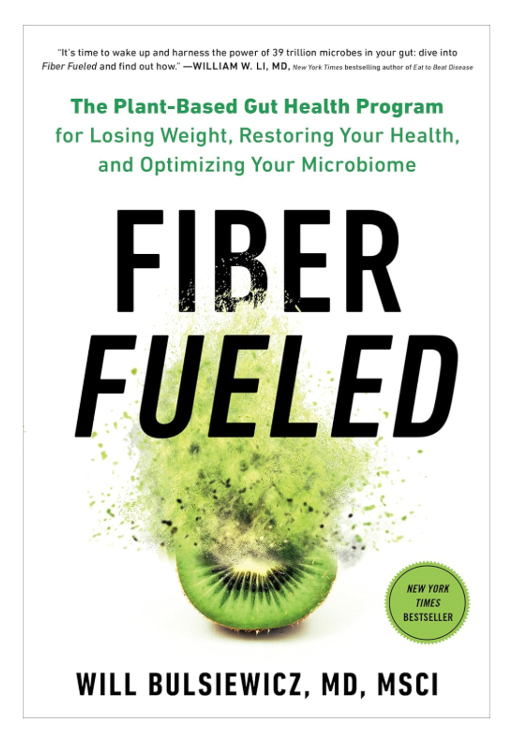 The benefits of restrictive diets like paleo and keto have been touted for more than a decade, but as renowned gastroenterologist Dr. Will Bulsiewicz, or "Dr. B," illuminates in his groundbreaking book, Fiber Fueled, the explosion of studies on the microbiome makes it abundantly clear that elimination diets are in fact hazardous to our health. What studies clearly now show—and what Dr. B preaches with his patients—is that gut health is the key to boosting our metabolism, losing weight, balancing our hormones, and taming the inflammation that causes a host of diseases. And the scientifically proven way to fuel our guts is by following Dr. B's Golden Rule—diversity of plants—so that your body gets dietary fiber from an abundant variety of colorful plants.
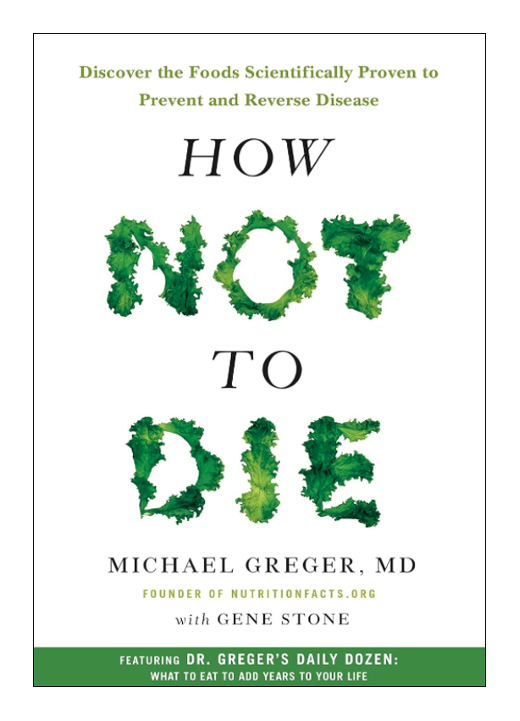 How Not to Die by Dr. Michael Greger argues that a whole-food, plant-based diet can prevent, treat, and reverse top causes of premature death, such as heart disease, diabetes, and cancer. Moreover, of the dozens of diseases he discusses, he argues—citing study after study—that virtually all of them can be reversed or treated successfully by consuming a whole-food, plant-based diet. The book emphasizes maximizing intake of vegetables, fruits, legumes, nuts, and seeds while minimizing meat, dairy, and processed foods. Beyond this book (and several others which he as written), Dr. Greger runs the nutritionfacts.org website that is full of videos that summarize countless scientific studies on nearly any medical condition imaginable.
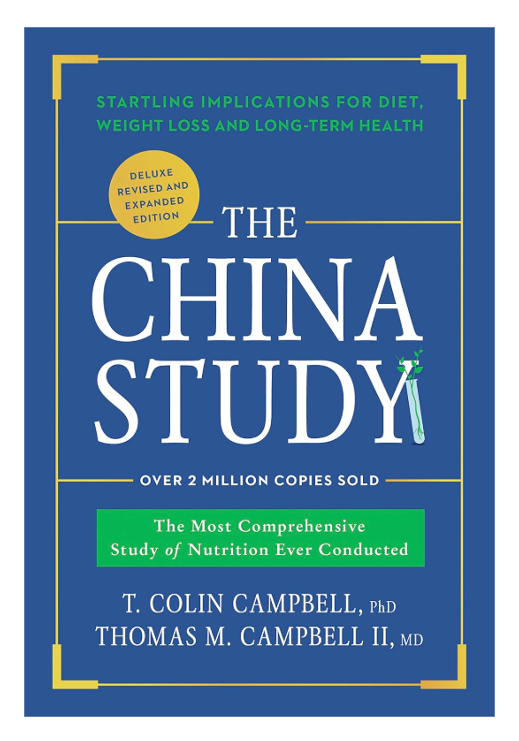
In the early 1980s, nutrition researcher T. Colin Campbell, in partnership with teams in China and England, embarked on the most comprehensive study ever undertaken of the relationship between diet and the risk of developing disease. What they found opened their eyes to the dangers of a diet high in animal protein and the unparalleled health benefits of a whole foods, plant-based diet. In 2005, Colin and his son Tom, now a physician, shared those findings with the world in The China Study, hailed as one of the most important books about diet and health ever written. The heavily expanded edition of this book includes the latest undeniable evidence of the power of a plant-based diet and how individuals stand to benefit from a surging interest in plant-based nutrition.
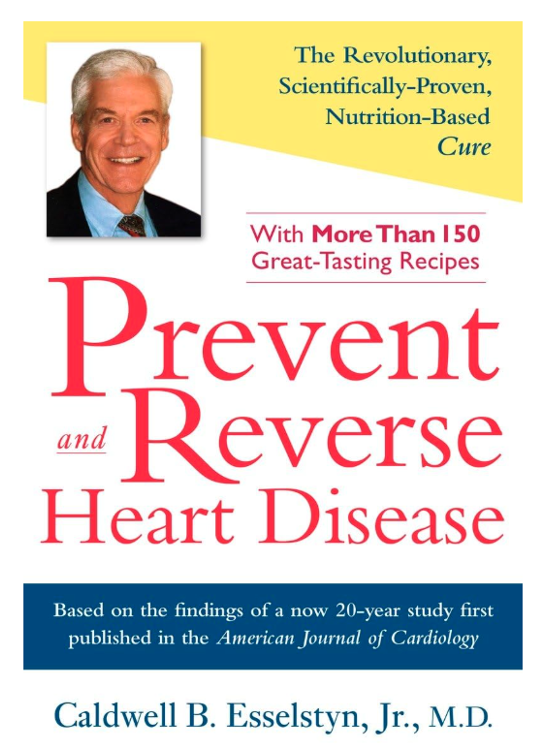 Based on the groundbreaking results of his twenty-year nutritional study, Prevent and Reverse Heart Disease by Dr. Caldwell Esselstyn illustrates that a plant-based, oil-free diet can not only prevent the progression of heart disease but can also reverse its effects. The proof lies in the incredible outcomes for patients who have followed Dr. Esselstyn's program, including a number of patients in his original study who had been told by their cardiologists that they had less than a year to live. Within months of starting the program, all Dr. Esselstyn’s patients began to improve dramatically, and twenty years later, they remain free of symptoms. Prevent and Reverse Heart Disease will empower readers and give them the tools to take control of their heart health.
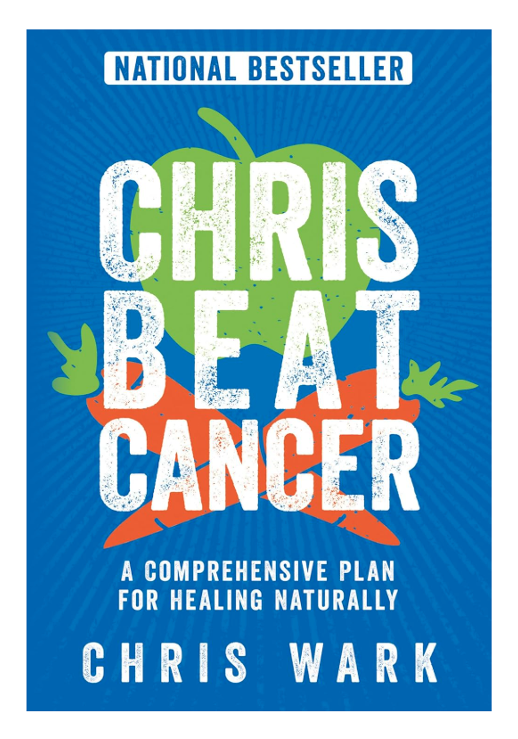
Two days before Christmas and at 26 years old, Chris Wark was diagnosed with stage 3 colon cancer. He had surgery to remove a golf ball-sized tumor and a third of his colon. But after surgery, instead of the traditional chemotherapy, Wark decided to radically change his diet and lifestyle in order to promote health and healing in his body. In Chris Beat Cancer, Wark describes his healing journey and shares the strategies that he and many others have used to heal cancer. These strategies include radical diet and lifestyle changes; and mental, emotional, and spiritual healing, as well as advanced integrative therapies. Packed with an emotional punch and extensive healing solutions, Chris Beat Cancer will inspire and guide you on your own journey toward wellness.
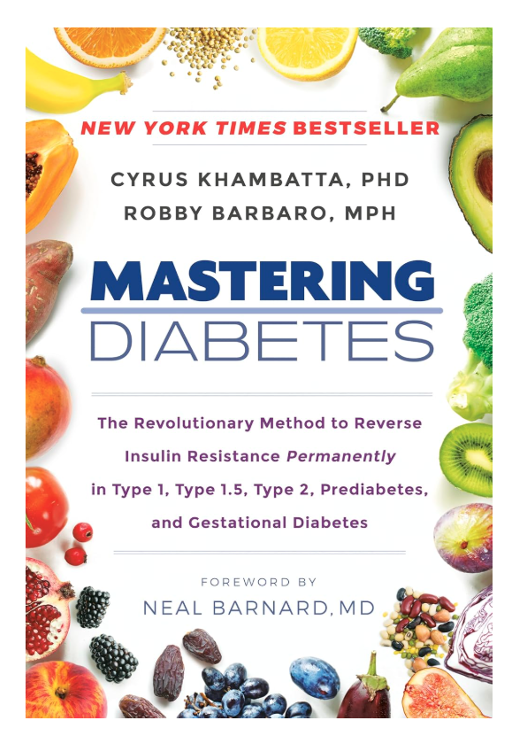
Current medical wisdom advises that anyone suffering from diabetes or prediabetes should eat a low-carbohydrate, high-fat diet. But in this revolutionary book, Mastering Diabetes, Cyrus Khambatta, PhD, and Robby Barbaro, MPH, rely on a century of research to show that advice is misguided. While it may improve short-term blood glucose control, such a diet also increases the long-term risk for chronic diseases like cancer, high blood pressure, high cholesterol, chronic kidney disease, and fatty liver disease. The revolutionary solution is to eat a low-fat plant-based whole-food diet, the most powerful way to reverse insulin resistance in all types of diabetes: type 1, type 1.5, type 2, prediabetes, and gestational diabetes.